
education
-
Over the past few years, I have had the privilege of guiding Grade 6 and 7 students through a powerful learning journey that explores personal identity, school experiences, and how we learn best. We’ve returned to this unit multiple times, this school year and three years ago, because it continues to spark reflection, build empathy,…
-
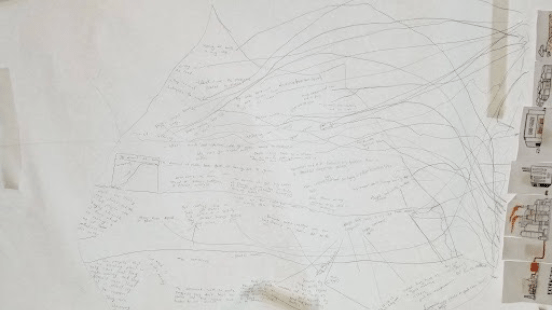
In today’s world, we face problems that are bigger and more interconnected than ever before. Issues like climate change, social inequality, and economic instability don’t exist in isolation; they are shaped by many factors that influence one another. To effectively solve these challenges, we need to look beyond the surface and understand the underlying systems…
-
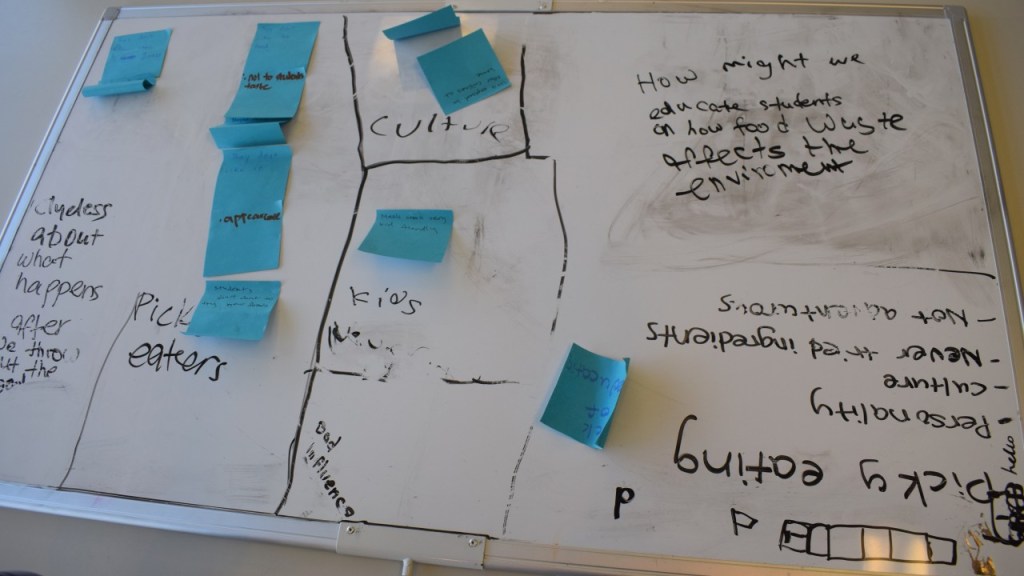
As educators, we face the challenge of teaching about climate change; a problem so vast that it requires changes at every level of society. One big question is whether individual actions alone are enough to address the crisis, or whether we need collective, systemic changes. This is an important question as we guide students through…
-

The world is a complex, interconnected system where everything and everyone is interdependent and interrelated. Learning that reflects this interconnectedness is more meaningful, engaging, and relevant. Interdisciplinary learning mirrors this natural complexity by integrating subjects around central themes or real-world problems. It prepares students not only for academic success but also for the challenges of…
-
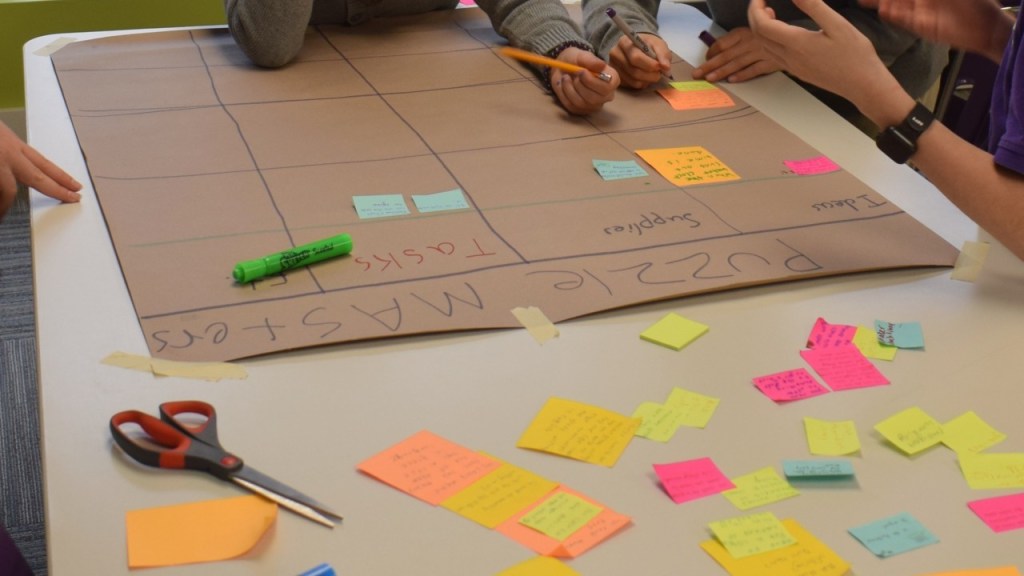
As a teacher of an interdisciplinary theme-based class, I am always looking for ways to integrate multiple subject areas into our learning. Every theme we explore draws on a range of disciplines from history and math to science and art, creating a rich and connected learning experience for my students. As we approached the end…
-
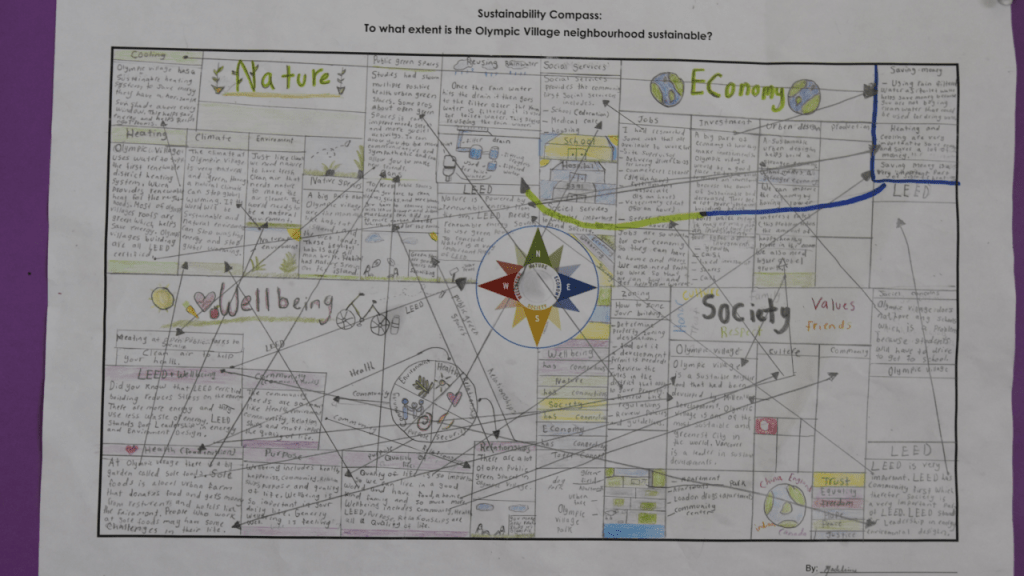
Place-based education is celebrated for its ability to be student-centered and meaningful. It allows teachers to naturally integrate multiple subject areas, creating rich, interdisciplinary learning experiences. This approach also aligns with Indigenous ways of knowing, which emphasize the importance of learning from the land and understanding the relationships between people, place, and nature. Indigenous cultures…
-
What is theme-based learning? Over the last few years, I have been privileged to be able to teach diverse pedagogies that directly align with my teaching philosophy. One of these pedagogical approaches is theme-based learning, which is an approach that integrates many curricular subject areas into one relevant, current, and age-appropriate theme or big idea.…
-
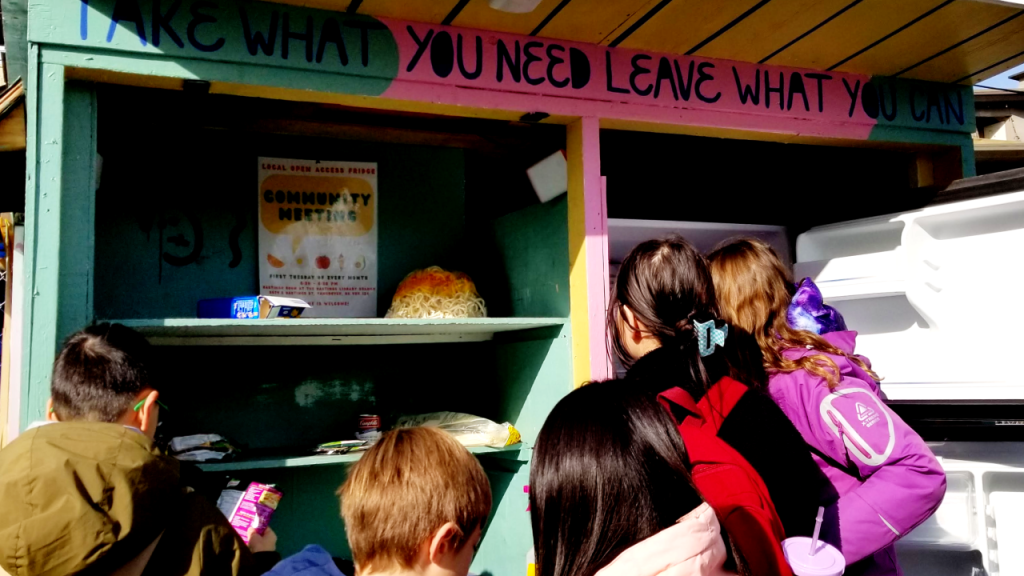
As an interdisciplinary teacher at a theme-based school, I focus on student-centered learning that includes experiential and project-based approaches. Each term, we explore different themes, integrating multiple subjects while prioritizing skills development. Two years ago, my colleague Jordyn Garinger and I decided to bring our classes together to teach a shared theme: Local Crises. Within…
-
Several years ago, I was fortunate to partake in a training from the Korda Institute, specializing in teaching entrepreneurial thinking and 21st century skills. During this training, I learned about their news circle strategy. I love this approach to current events because it engages students to be active and take ownership of their learning. These…
-

Eco-anxiety, a term that has gained prominence over the past decade, is affecting populations across all demographics. Personally, my eco-anxiety has reached an all-time high as I witness the effects of climate change—global heatwaves, the increasing frequency and intensity of wildfires, and disrupting water resources through altered precipitation patterns and reduced snowpack. Feelings of rage,…
 Katelyn Jmaeff's Blog