
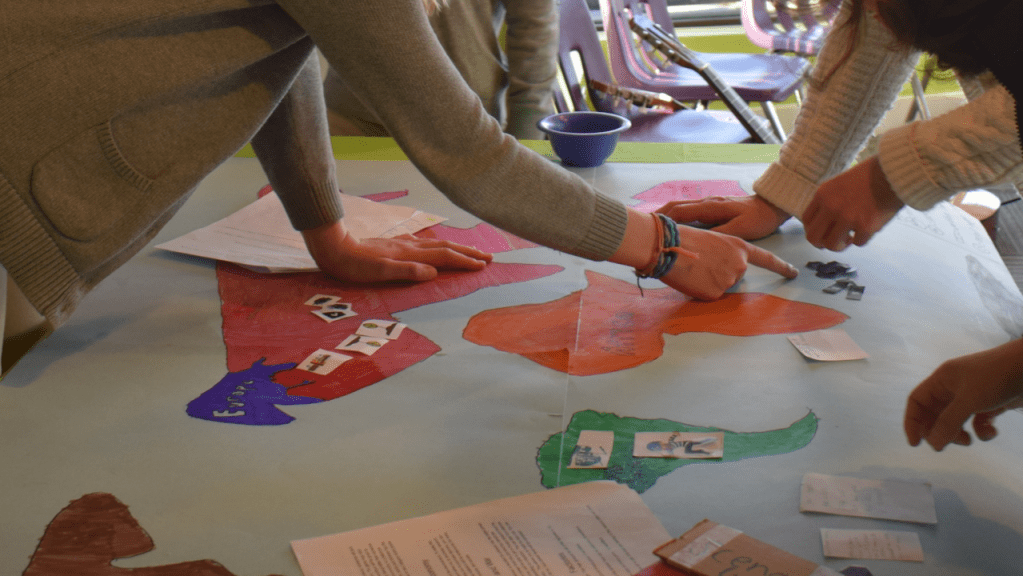
A few days ago, a colleague asked how I organize authentic audiences for my students. This question is worth exploring because creating authentic audiences transforms how students engage with their work and their community.
Why Is It Important?
Providing an authentic audience helps students feel like their work matters. It is no longer just about completing an assignment for a grade; they are solving real world problems, developing essential skills, and creating something meaningful.
The process also adds purpose. A real audience brings real deadlines, and students know their work will be seen and evaluated by others. This pushes them to think critically and produce their best work. Authentic projects tend to be open ended, which allows students to tackle challenges creatively while finding tangible solutions.
Most importantly, it is empowering. When students see their ideas taken seriously by professionals, parents, or local businesses, they realize they have the power to make real change. This fosters a sense of agency and shows them their voices can make a difference.
What Does It Look Like?
Urban Design and Civic Engagement A few years ago, my middle school students explored to what extent Vancouver is a sustainable and livable city. Over several months, we examined this question through field trips, guest speakers, numeracy and social studies assignments , and discussions. At the same time, the City of Vancouver was consulting the public for the Vancouver Plan, a long term strategy to guide the city’s growth.
We partnered with the city during this consultation process. Students had the civic opportunity to share their ideas for “the Vancouver we want and need.” In small groups, they designed neighborhoods that were sustainable, carbon neutral, and inclusive, focusing on diverse housing solutions. They built scaled models of their designs and presented them to city staff, who listened to their pitches, viewed their prototypes, and even incorporated the data into their findings. Students saw firsthand how their voices could influence decision making and create change.
Designing Inclusive Playgrounds More recently, my students studied geometry, scale, financial literacy, and disability studies to design an inclusive playground. Play is essential for physical, social, and emotional development; it must be accessible to everyone, regardless of ability or age.
After weeks of inquiry through texts, guest speakers, and field trips, my students started creating a scaled prototype of inclusive playgrounds. Their designs are inspired by criteria from Harper’s Playground in the United States. In less than two weeks, they will pitch their designs to staff from the Vancouver Parks Board, aligning their work with the city’s VanPlay goals of diversity and inclusivity in recreational spaces. This project has not only taught students the importance of inclusivity but also given them a platform to share ideas that could impact our community.
Business Collaboration A few years ago, we partnered with a local IT music business for a grade nine career education project. The company needed ideas to attract a younger audience and overall more customers. My students researched the problem, worked through the design thinking process, and presented their marketing solutions to the company’s CEO.
Not every idea was perfectly realistic, but this process gave students invaluable experience. With each iteration, they became better at balancing creativity with practicality. The CEO appreciated their fresh perspectives, and the students learned that their contributions could spark meaningful solutions.
Parent Audiences Parents are another powerful authentic audience. Inviting them into the classroom to see their children’s work creates a sense of pride and purpose. For example, several years ago my grade six and seven students culminated an inquiry into ancient Greece by creating an escape room experience for their parents. Parents worked together to solve puzzles and challenges based on what the students had learned. This approach allowed students to share their knowledge in a fun and interactive way, while parents became part of the learning process.
Other ideas include hosting a poetry café or a speech event. Whether students are presenting a slam poem or delivering a persuasive speech, knowing that their parents are the audience encourages them to aim high.
How to Make It Happen
- Reach Out: Start by contacting organizations, businesses, or individuals who align with your project’s goals. I often email explaining my objectives and ask if they have a current problem they need help addressing.
- Co Create Problems: Collaborate with your audience to identify a challenge your students can address. Teachers often need to refine these problems to ensure they are manageable.
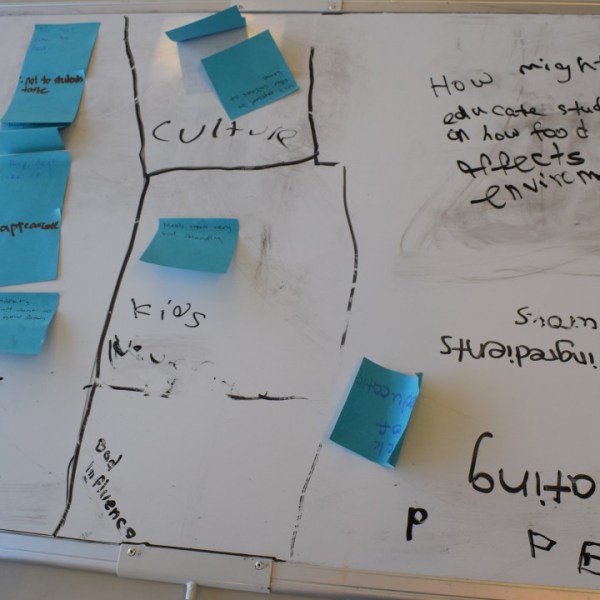
- Frame with “How Might We” Questions: Design thinking uses open ended questions, like “How might we create a playground that everyone can enjoy?” These questions encourage students to think broadly before narrowing their focus.
- Guide the Process: Map out lessons, resources, and steps to support your students. Design thinking is particularly effective because it begins with empathy, encouraging students to understand the problem and the people it affects before diving into solutions.
Authentic audiences bring purpose and connection to student learning. They allow young people to see that their ideas have value and can make a difference in the real world. These opportunities not only empower students but also help them develop critical thinking, collaboration, and problem solving skills.
Importantly, students also practice working with strangers and adults, which is a vital skill. Learning how to communicate effectively, present ideas confidently, and engage in professional discussions prepares them for the future in ways traditional assignments cannot. Authentic audiences make learning real, impactful, and deeply rewarding.
 Katelyn Jmaeff's Blog
Leave a comment