
As educators, we face the challenge of teaching about climate change; a problem so vast that it requires changes at every level of society. One big question is whether individual actions alone are enough to address the crisis, or whether we need collective, systemic changes. This is an important question as we guide students through sustainability education, helping them understand how they can make a real difference.
Sustainability education in schools often focuses on small individual actions: taking public transit, recycling, composting, reducing waste, and turning off lights. These are important practices that help students develop good habits. But we know that climate change requires more. While these individual actions are helpful, we can’t solve the climate crisis just by asking people to recycle. We must also teach students the power of collective action and how their voices and efforts can contribute to larger, systemic change.
Understanding Collective Action
Collective action is about more than what one person does. It’s about changing systems, whether it’s government policies, corporate practices, or the choices communities make. For example, while individual waste reduction is important, policies that require businesses to reduce packaging waste or promote renewable energy are far more impactful. This is the heart of collective action: it asks, “How can we work together to make lasting change?” It’s about recognizing that we all share responsibility for shaping the future and that by joining together, we can advocate for the systemic shifts we need.
This idea connects closely with the First Peoples Principles of Learning, which highlight interconnectedness and the responsibility each person has in shaping the community and environment. One principle, “Learning involves recognizing the consequences of one’s actions,” reminds us that every action has an impact. As we teach students about collective action, we must help them see that their decisions, when combined with others’, can lead to significant environmental shifts. Just as Indigenous communities have long recognized the need to protect and respect the land, we can encourage students to think about how their actions ripple out, affecting not only their immediate surroundings but the larger world.
Teaching Students to Think Systemically
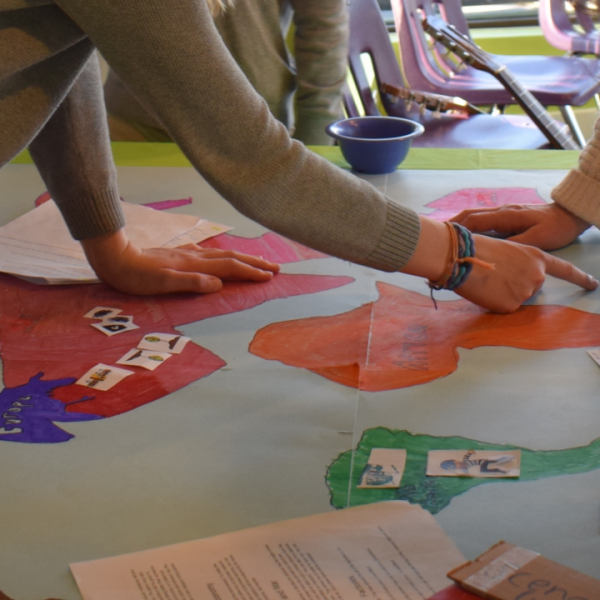
To truly grasp climate change, students need to see it not just as a list of tasks to complete but as part of a larger system. By using systems thinking, we can guide students to see the connections between various environmental issues, like energy use, waste management, and food production. For example, rather than simply focusing on recycling, students can explore how the circular economy works, where products are designed to be reused rather than discarded. This encourages a broader view of sustainability, where individual actions fit into larger solutions.
Systems thinking also encourages students to explore feedback loops, where one action causes another. For example, increased carbon emissions lead to higher temperatures, which causes melting ice, further accelerating climate change. By understanding these connections, students are empowered to see how their actions, when linked together with others, can help break negative feedback loops and create positive ones.
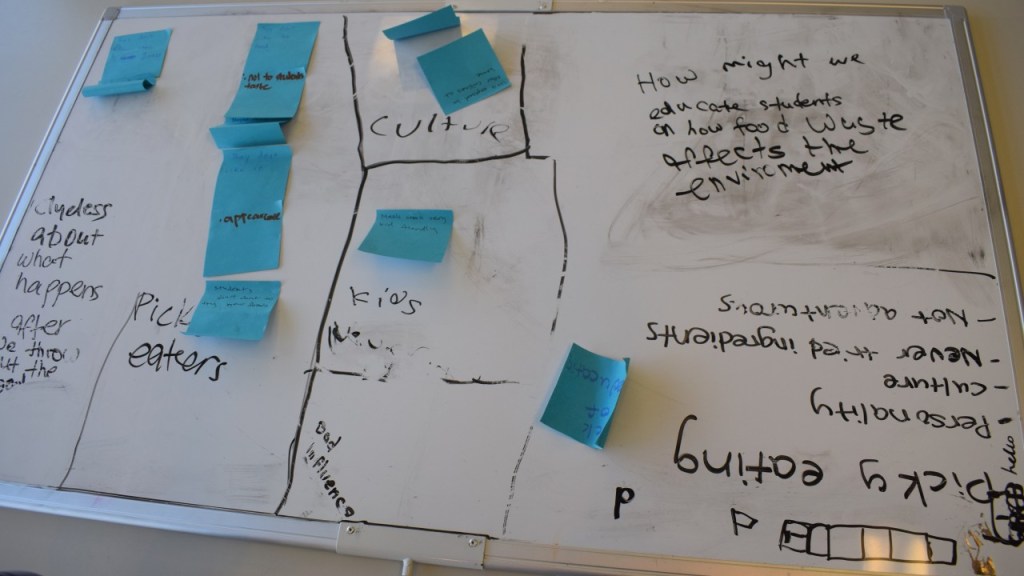
Once students have explored these systems, we can deepen their problem-solving by introducing design thinking. This process allows students to move from understanding the problem to creating solutions. Design thinking encourages students to empathize with the people affected by climate change, define the problem, ideate solutions, prototype, and test their ideas in a practical way. This approach not only allows them to generate creative solutions, but it also gives them the tools to implement those solutions in their own communities, whether that’s creating waste reduction campaigns or designing sustainable energy systems. This hands-on experience empowers students to take real, meaningful action.
Using Design Thinking to Create Solutions
By pairing systems thinking with design thinking, students can shift from simply understanding the problem to actively being part of the solution. Design thinking invites them to think empathetically about the challenges faced by their communities and the planet, and then come up with innovative solutions to address those challenges. Whether it’s designing a new waste management system or launching a local sustainability initiative, students can prototype and test their ideas, giving them the chance to contribute solutions in real, tangible ways.
This approach empowers students, not only to understand their role in climate change but also to actively engage with the systems they are part of, making a difference in their immediate environment. It encourages them to think beyond individual habits to collective, actionable steps that lead to change.
Connecting Climate Change Across the Curriculum
Climate change isn’t just a science issue; it is connected to every subject area. Here are a few ways teachers can connect sustainability to different parts of the curriculum:
- Career Education: How will climate change impact different careers? Students can think about what sustainability looks like in their chosen professions and consider low-carbon job paths.
- Social Studies: Climate change is causing migration and displacement. What are the ripple effects of this? Students can learn how climate change forces people to move and its broader social impact.
- Health: Climate change affects both physical and mental health. Who will be most vulnerable? Students can explore the resilience needed to address these challenges.
- Math: Climate data is critical in predicting change. By analyzing projections and trends, students can apply their math and graphing skills to real-world data.
- Economics: How does a focus on endless economic growth affect the environment? Students can challenge the idea of capitalism and explore alternative, sustainable economic models.
- Political Science: How can students engage with their local government to drive change? Learning how to attend city council meetings, propose ideas, and even run for office can help students realize the power of collective advocacy.
Addressing Climate Anxiety Through Action
One of the often-overlooked aspects of sustainability education is its potential to alleviate climate anxiety, a growing concern among young people. Many students feel overwhelmed by the scale of the climate crisis, often believing that the problem is too large for them to influence. This sense of helplessness can lead to anxiety, despair, and disengagement.
By teaching students about collective action and empowering them to become part of the solution, we can provide an antidote to this anxiety. When students see how their individual efforts contribute to larger systemic changes, whether by working on community projects, advocating for policies, or participating in sustainable initiatives, they gain a sense of agency and purpose. Action-oriented learning replaces feelings of helplessness with hope and determination, helping students to see themselves not as passive observers but as active participants in shaping a sustainable future.
Moreover, the process of problem-solving and designing solutions fosters a sense of accomplishment and resilience. It equips students with the tools to address complex issues, building their confidence and emotional capacity to face challenges. By integrating this action-based approach into our classrooms, we not only teach sustainability but also help students develop the emotional resilience to navigate the climate crisis.
Acting with Urgency
Incorporating this focus on action into sustainability education doesn’t just prepare students for a distant future, it empowers them to make a difference today. By giving students the tools to engage in collective action, we help alleviate their anxiety, foster hope, and enable them to become leaders in addressing the climate crisis.
 Katelyn Jmaeff's Blog
Leave a comment